Education · 2 min read
Habano Means the Seed, Not the City
The word on the band sounds like Havana, but your cigar probably grew up in Ecuador.
Here is a quiet bit of label reading that separates the studied from the guessing. Habana is the city, and in the cigar world it belongs to Cuba. Habano, on the band of your Nicaraguan or Dominican cigar, refers to the genetics of the wrapper leaf: Cuban-seed tobacco raised on foreign soil.
The seeds themselves carry a survivor's backstory. The Habano and Habano 2000 strains descend from Cuban stock, hybridized to resist the diseases that devastated the beloved Corojo wrapper in the late 1990s. Those seeds traveled, and they found second homes where they thrived, especially in Ecuador's cloud-filtered light and Nicaragua's mineral-rich fields.
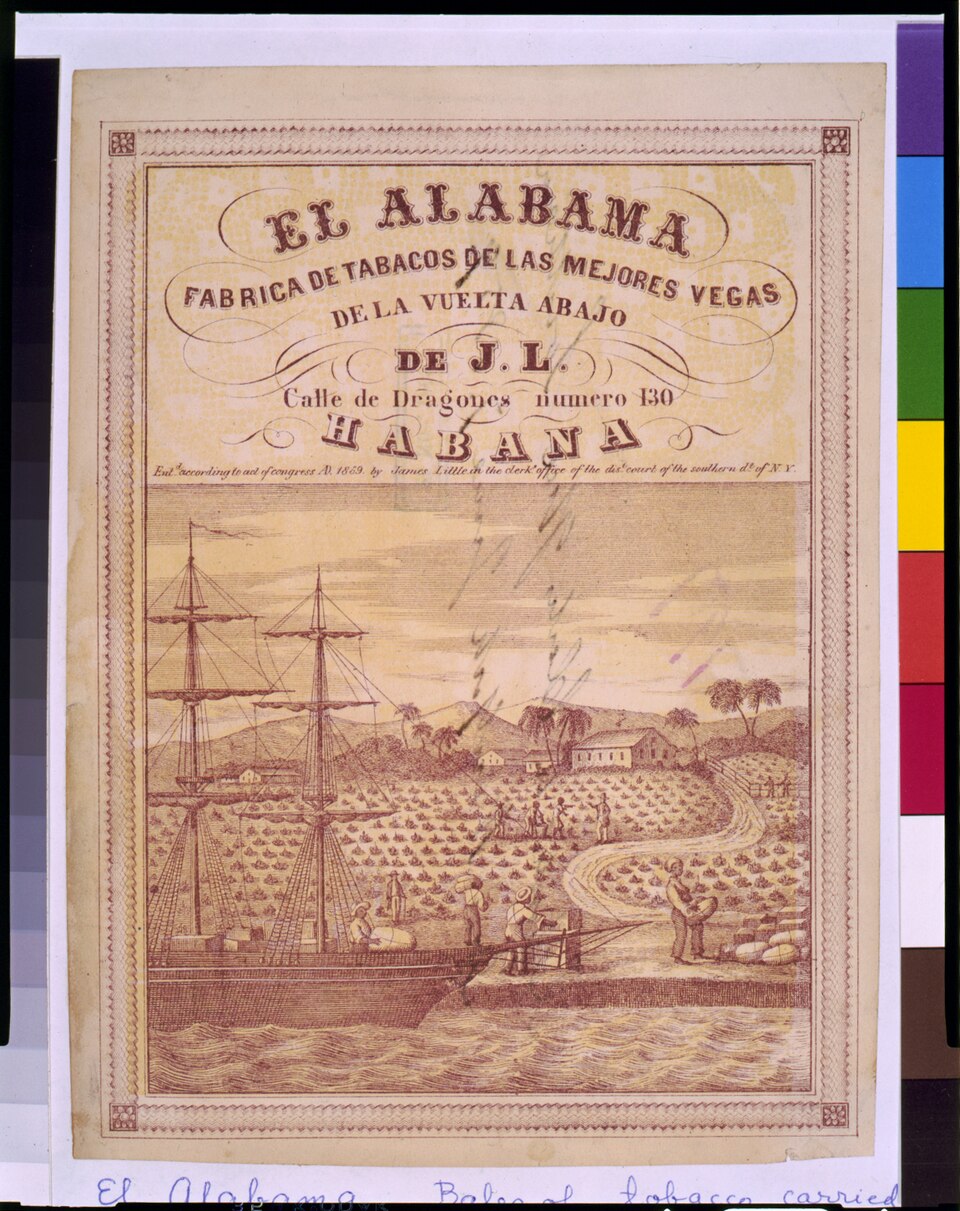
What survived the journey is the flavor profile. Habano wrappers run spicy and rich, often dark, with chocolate, coffee, cedar, and leather turning up again and again in tasting notes. As American palates drifted toward fuller cigars, Habano quietly became one of the dominant wrapper varietals in the humidor.
So "Cuban-seed" is not marketing sleight of hand, but it is not Cuban tobacco either. It is Cuban ancestry expressing itself through someone else's terroir, the same way a Bordeaux grape makes a distinctly Californian wine in Napa. Same blood, different accent.
Sources
More Education