Education · 2 min read
Top of the Plant, Top of the Punch: Ligero, Viso, and Seco
A tobacco plant is a ladder of flavors, and blenders climb it deliberately.
Picture the tobacco plant as an apartment building where the penthouse gets all the sun. The top leaves, called ligero, soak up more light than any others, and they respond by growing thick, oily, dark, and heavy with nicotine. Ligero is where a cigar's strength lives.
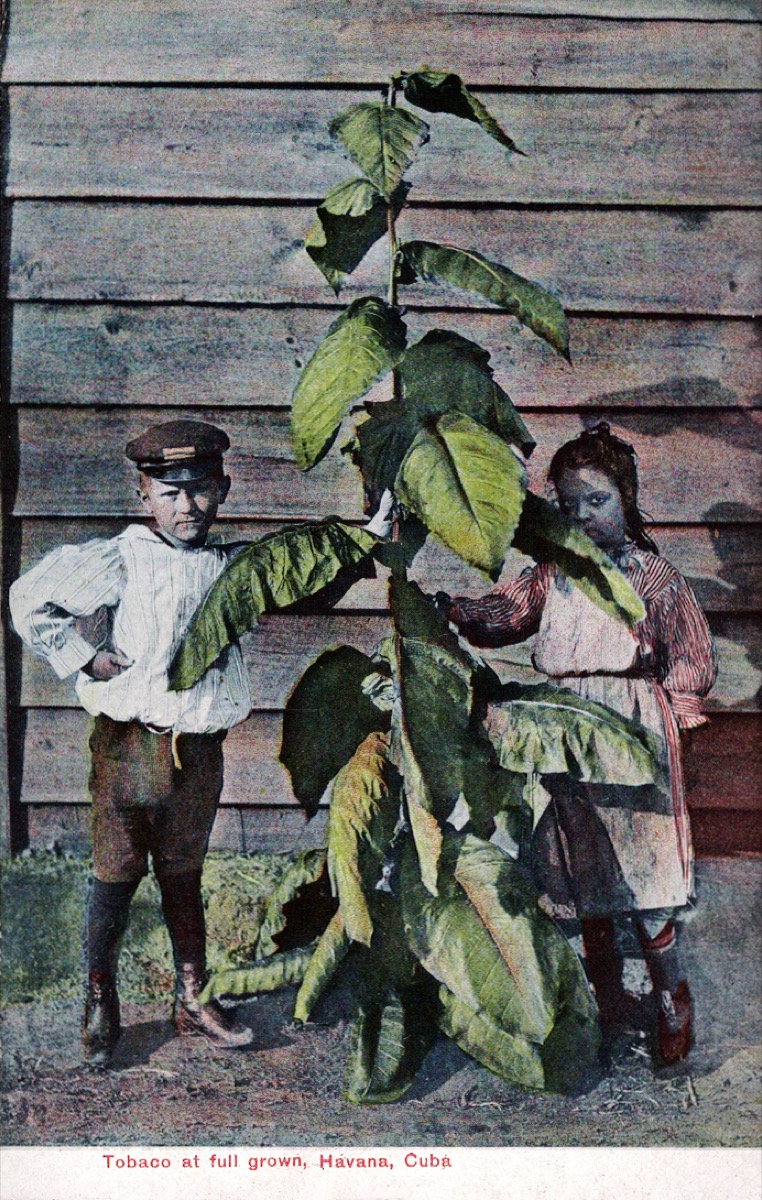
The middle floors are viso. These leaves get generous but not punishing sun, so they balance flavor, aroma, and strength. Many blenders treat viso as the workhorse of a blend, the leaf that ties the loud tobacco to the quiet.
Near the bottom grows seco, shaded by everything above it. Seco is thinner and milder, prized less for punch than for aroma and, crucially, combustion. A cigar made only of ligero would taste ferocious and refuse to stay lit; seco is what keeps the fire alive.
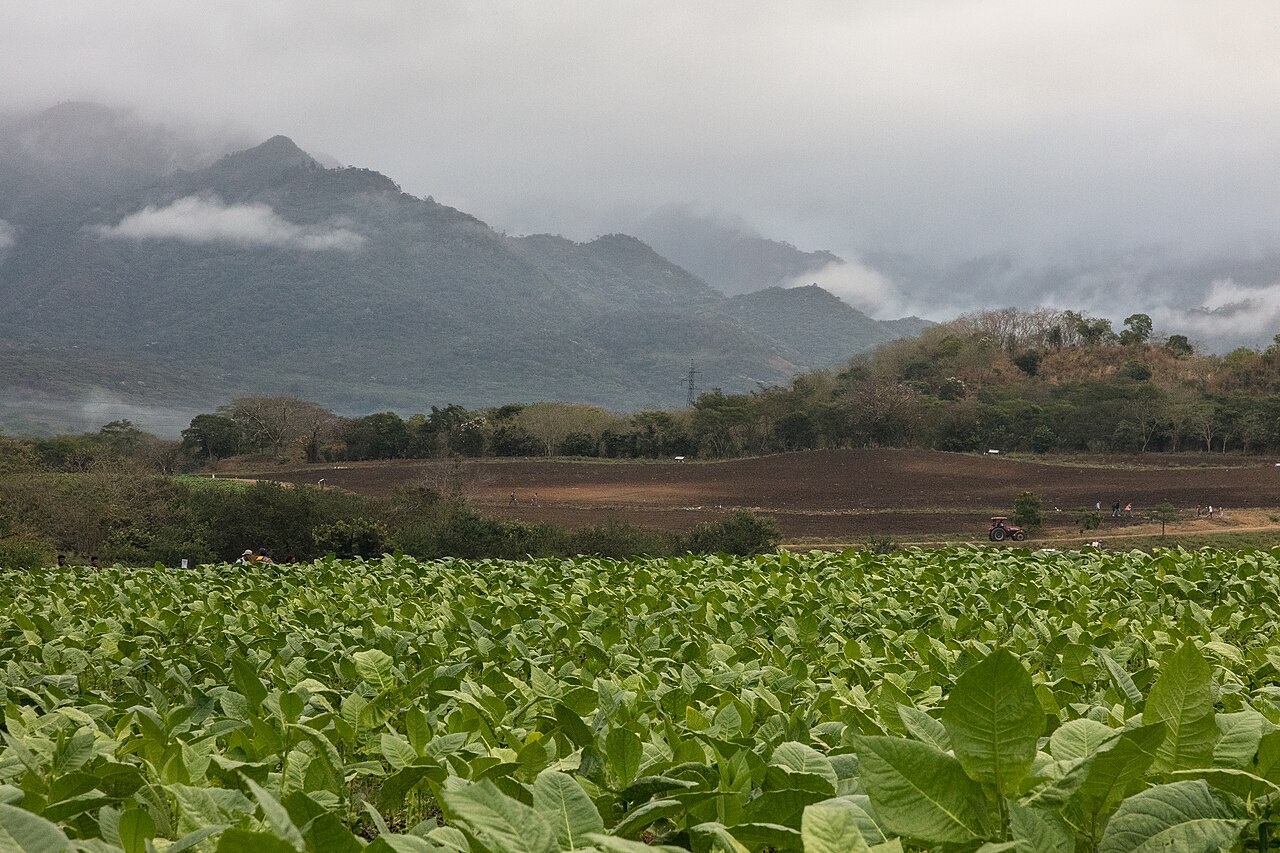
This is why "full-bodied" is a recipe, not an accident. When a blender wants power, they reach higher up the stalk. When they want a morning cigar, they shop the lower floors. The next time a stick hits harder in the last third, remember: you are smoking your way toward the center of the bunch, where the ligero was hiding.
Sources
More Education